One GET request. Any merchant URL. Structured, normalized, fresh — no stale caches. Built for the modern commerce stack.

PCI DSS SCOPE Reduction
15,000+ Merchants
99,9% API UPTIME
no merchant opt-in
Problem analysis
Why standard scrapers fail in commerce.
Stale product data causes checkout failures
Price changes between discovery and purchase lead to abandoned carts and customer distrust. If your discovery layer and checkout layer aren't sharing a freshness guarantee, you're building in failures.
Dynamic inventory & shipping
Items go out of stock in milliseconds. Shipping options update based on local node availability. Passive scrapers can't keep up with the real-time volatility of modern headless storefronts.
How it works
Single GET request. Universal results.
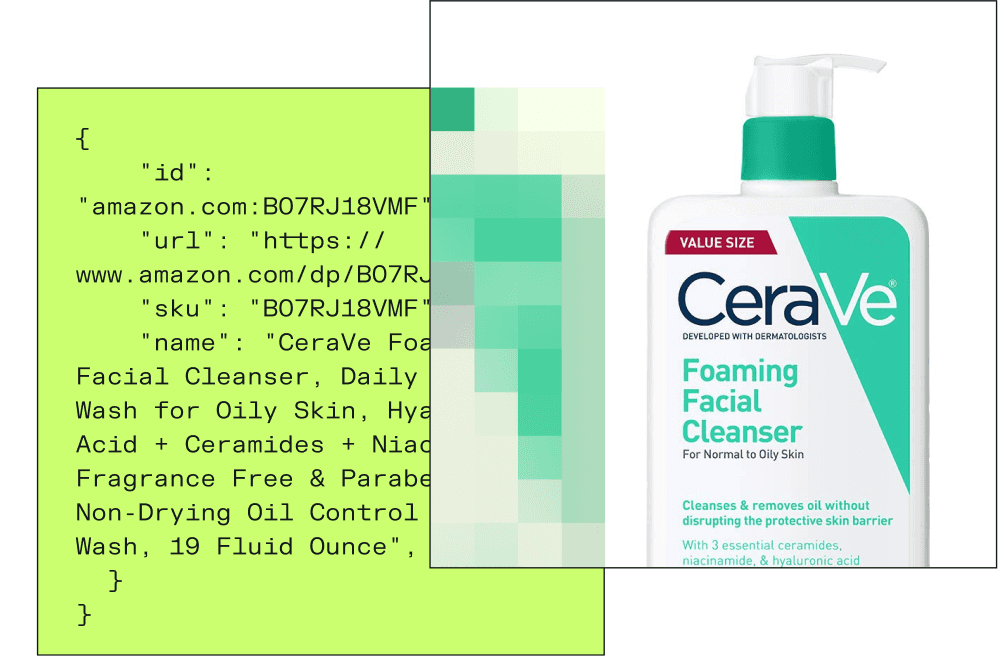
Pass any product URL from any merchant. Our engine handles the proxy rotation, JavaScript execution, and DOM parsing to return structured, normalized data in near-real-time.
Bypass WAFs
Intelligent headers mimic real user behavior.
Normalized response
Every site returns the same clean JSON schema.

Reliability benchmark
Testing across the top 450 e-commerce domains globally.
91%
RYE_API Reliability
55.5%
Standard Scrapers
Engine Architecture
Designed for the checkout pipeline
Tiered retrieval
Multi-stage fallback logic. Tier 1 hits merchant APIs directly; Tier 2 engages browser-based headless rendering for high-JS storefronts.
Freshness first
Aggressive short-lived cache logic (max 5 minutes) ensures you never present outdated pricing or stock status to a buyer.
Built for checkout
Returns critical metadata needed for cart injection: variant IDs, subunit pricing, and purchasability flags.
Standard schema
Unified data, regardless of source.
Stop writing custom parsers for every merchant. Our API returns a strict, predictable JSON structure optimized for programmatic commerce.
price_subunits
Integer (e.g., 2999)
availability
Enum [IN_STOCK, LOW_STOCK, OUT...]
is_purchasable
Boolean